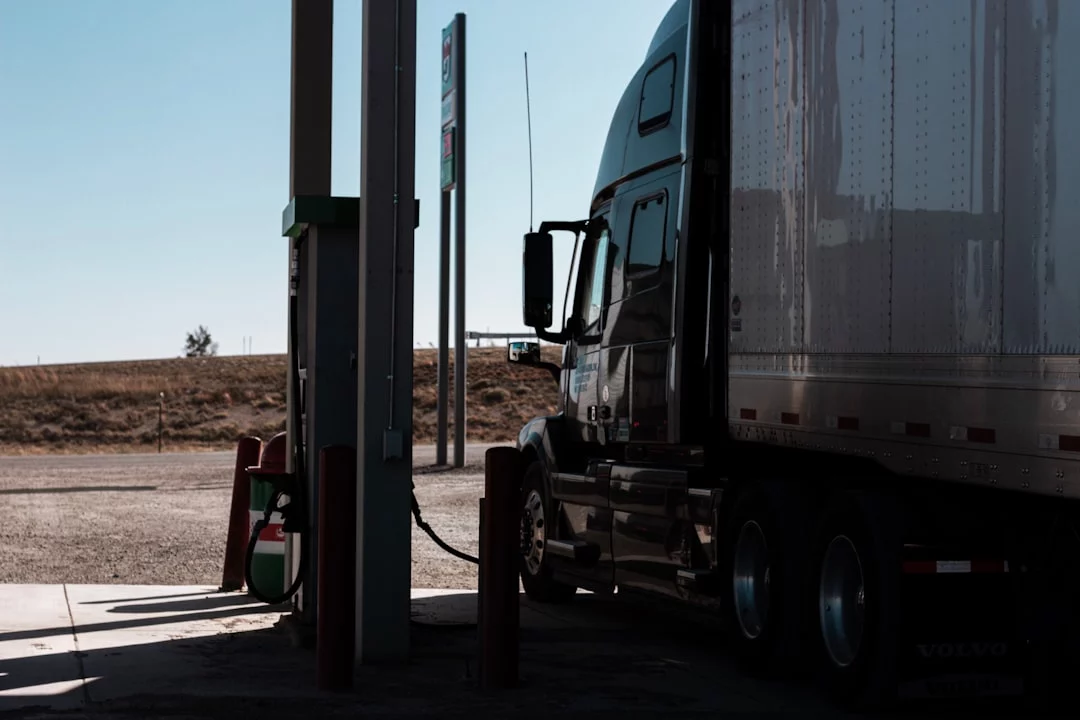
Diesel Prices Near Record High Ahead of Labor Day
By the time Labor Day arrives, shoppers and drivers want clarity on one thing: what diesel fuel prices are doing and why they suddenly feel different at the pump. In this article, you’ll learn the key forces behind the latest jump, how near-record diesel levels can ripple into trucking and delivery costs, and what you can do now—whether you manage a fleet, plan a road trip, or run a business that depends on freight. With evidence-based context from how diesel pricing is tracked and reported, you’ll also get a practical checklist for forecasting what may happen next.
- Diesel prices are rising ahead of Labor Day as supply-demand timing tightens across fuel markets.
- Near-record diesel levels can translate into higher freight costs and slower cost recovery for retailers and manufacturers.
- Watching refinery output, inventories, and weekly retail price reporting helps you separate short-term noise from trend.
What’s pushing diesel fuel prices higher right before Labor Day?
Labor Day is a demand inflection point: travel increases, and freight moves to support end-of-summer retail and regional restocking. Diesel, in particular, is sensitive to scheduling and delivery windows because many supply chains plan around predictable dispatch dates. When demand rises faster than inventories can buffer, prices tend to climb quickly.
Market timing matters, too. Diesel values often react to tighter refinery balance—when distillate output (the pool that includes diesel) can’t keep up with near-term needs. Even when crude oil doesn’t surge dramatically every day, changes in refinery runs, maintenance outages, and distillate yields can still move diesel pricing.
That’s why energy experts watching the curve talk about diesel being
Frequently Asked Questions
Why do diesel prices spike specifically around Labor Day rather than building gradually?
Labor Day is a demand inflection point: more people travel and freight activity ramps to support end-of-summer retail and regional restocking. Diesel is especially sensitive to delivery windows, because supply chains schedule around dispatch dates. If demand rises faster than inventories can buffer, prices can jump quickly even without a dramatic daily move in crude.
How can refinery changes push diesel higher even if crude oil isn’t moving as much?
Crude may stay relatively steady, but diesel depends on refinery balance. Maintenance outages, shifts in refinery runs, and changes in distillate yields (the pool that includes diesel) can tighten supply. When distillate output can’t keep up with near-term needs, diesel values react and retail prices follow, often faster than crude-only narratives suggest.
What does “near-record” diesel pricing mean for freight and delivery costs?
Higher diesel prices can raise transportation costs directly through fuel surcharges and indirectly through tighter margins for trucking and logistics providers. Retailers and manufacturers may also see slower cost recovery if fuel expenses remain elevated while they try to recoup costs from customers. In practice, the impact depends on contract terms, surcharge formulas, and how quickly businesses can pass costs through.
Which data should I watch to tell whether this is short-term noise or a lasting trend?
Look beyond headlines at the signals that track supply and pricing over time: refinery output trends, distillate/diesel inventory levels, and the weekly retail price reporting that shows how the pump price is changing. If inventories are drawing while retail prices keep rising week over week, it’s more likely to be a sustained trend than a brief fluctuation.
Can businesses and fleet managers do anything now to reduce risk from Labor Day volatility?
Yes. Create a simple forecast using the checklist signals (inventories, refinery output, and weekly retail moves) and match it to your operating schedule. Consider timing purchases around known delivery windows, review fuel surcharge clauses in freight contracts, and tighten budgeting for the next few weeks. If you’re planning deliveries or routes, build in buffers for cost exposure.