
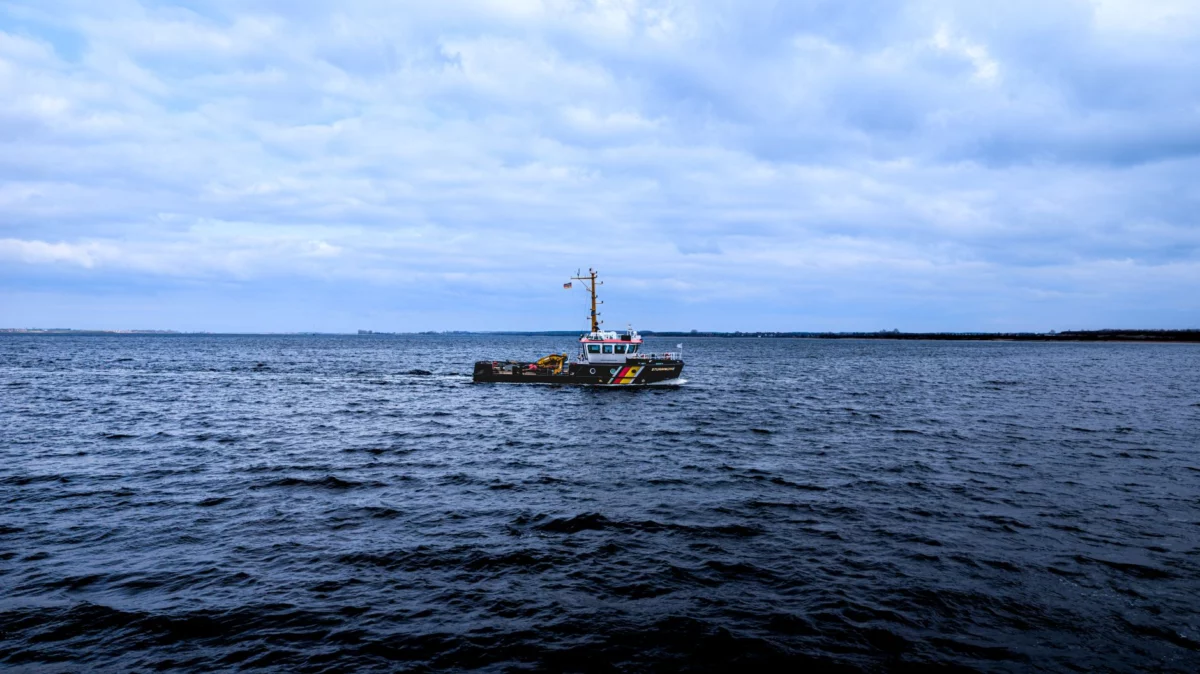
U.S. sinks second “floating refueling station” used by alleged drug traffickers
A U.S. military operation recently sank a vessel described by officials as a floating refueling station allegedly supporting at-sea drug trafficking linked to the Ecuadorian criminal organization Los Choneros. If you’re trying to understand what this kind of maritime infrastructure enables—and why targeted interdictions matter—this article explains the purpose of a floating refueling station, how authorities typically disrupt it, and what the move signals for maritime security in 2026.
Key Takeaways
- Floating refueling stations extend the time and range of trafficking operations by enabling at-sea fueling.
- Maritime interdiction often targets logistics first—boats and platforms that reduce disruption risk for traffickers.
- This case underscores how naval enforcement focuses on supporting infrastructure, not only the cargo.
- International legal frameworks (including rules on maritime encounters) shape how interdictions are conducted.
What is a floating refueling station in maritime drug trafficking operations?
A floating refueling station is exactly what it sounds like: a vessel used as a mobile logistics hub that can dispense fuel to other boats at sea. In illicit maritime supply chains, fuel is more than a convenience—it’s what makes longer routes, evasive patterns, and repeated ship-to-ship activity feasible without returning to port. When authorities describe a tanker-like or barge-like platform being used as a refueling node, they’re highlighting the operational backbone behind at-sea trafficking.
For trafficking networks, such platforms can reduce detectability. Instead of making each movement depend on port access, multiple vessels can
Frequently Asked Questions
How does a floating refueling station actually increase the reach of illegal maritime trafficking?
By enabling at-sea refueling, the station lets smaller boats stay active longer and travel farther without returning to port. That increases time on the water, supports repeated rendezvous, and allows traffickers to change routes or patterns to avoid detection. Fuel access becomes a “force multiplier,” turning short trips into sustained operations.
Why do authorities often target the refueling platform first instead of waiting to seize the cargo vessel?
Interdicting logistics first reduces the disruption cost for enforcement and increases the odds that the trafficking network can’t simply “swap” assets. If fueling nodes are removed or disabled, other vessels may run low on fuel, break rendezvous plans, or be forced into predictable port routes. That makes subsequent interdictions more likely and safer.
What does “sinking” a floating refueling station signal compared with other interdiction outcomes?
Sinking is a strong operational signal: it removes the capability rather than temporarily interrupting it. While arrests or seizures can still leave networks with replacement assets, destroying a refueling platform eliminates a key piece of mobile infrastructure. It also communicates deterrence—higher risks for networks that invest in maritime support systems.
What kind of maritime infrastructure does this case resemble, and why does that matter for enforcement planning?
The article describes a tanker-like or barge-like node designed to support ship-to-ship fueling. That matters because these platforms blend operational “support” roles into the broader maritime environment. Enforcement planners typically need to account for how refueling at sea changes rendezvous timing, vessel behavior, and where suspicious activity clusters.
How do international maritime rules affect how interdictions can be carried out during encounters at sea?
International legal frameworks governing maritime encounters shape what authorities can do, when they can act, and how they must manage safety and jurisdiction during boarding or engagement. These rules don’t remove the need for enforcement, but they influence procedures, evidence handling, and escalation thresholds. That legal structure helps ensure operations are enforceable and defensible.