Downtown Minneapolis Shooting: What to Know and How to Stay Safe
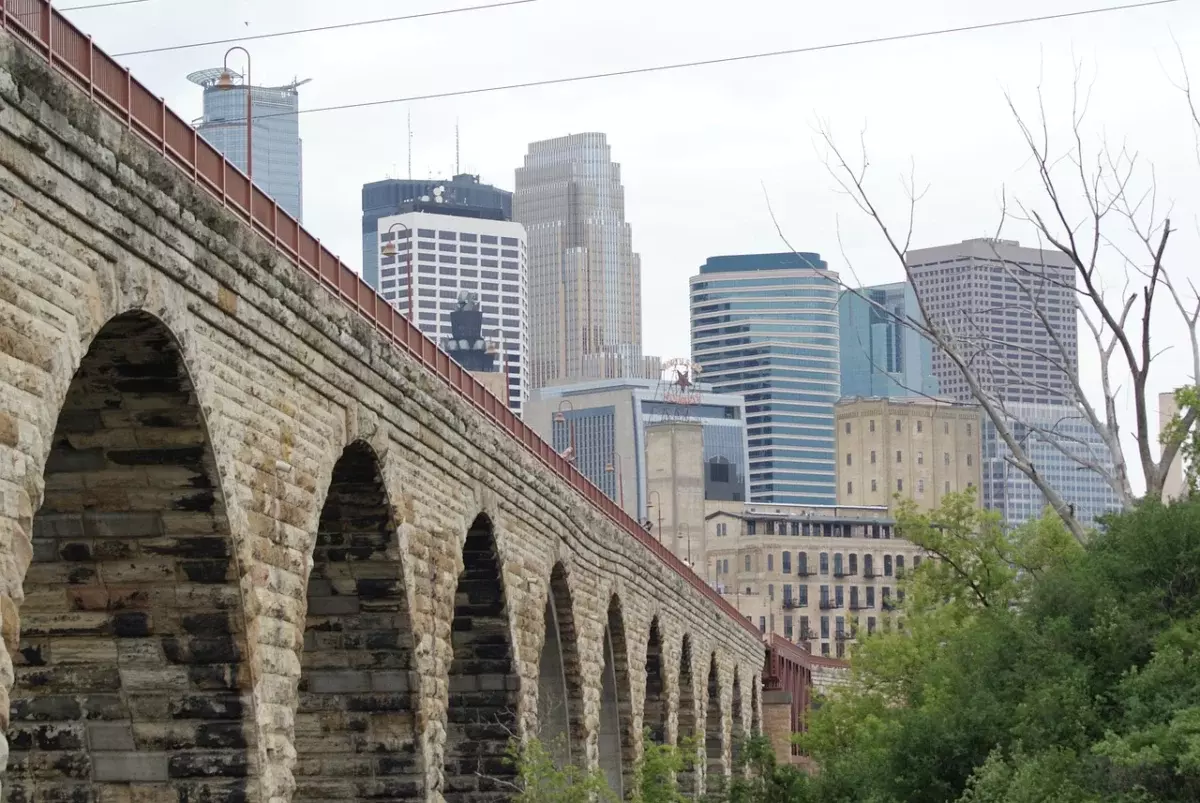
A shooting in downtown Minneapolis left at least one person dead and six others injured, according to Hennepin County Medical Center. If you’re searching for downtown Minneapolis shooting information, this guide will help you understand what that kind of incident typically means for nearby people, what immediate safety steps you can take if you hear gunfire or receive alerts, and how to respond with care afterward—emotionally and practically.
Key Takeaways
- Hospital reports (like Hennepin County Medical Center) confirm injuries, but details often evolve as investigators collect information.
- If you’re near an active threat, your best outcomes come from fast, decisive actions: move to safety, avoid harm, and follow law enforcement instructions.
- Afterward, mental health support and accurate information sharing matter as much as physical safety.
What did the Minneapolis shooting report say about injuries?
In reports tied to the incident, Hennepin County Medical Center stated that at least one person died and six others were injured following a shooting in downtown Minneapolis. For many readers, the question is simple:
Frequently Asked Questions
What exactly did the Hennepin County Medical Center report say about the injuries?
Hospital reports linked to the incident stated that at least one person died and six others were injured after a shooting in downtown Minneapolis. It’s common for early figures to be incomplete, especially as medical teams triage patients and investigators verify identities and circumstances. For the most accurate updates, rely on official sources and later confirmations.
If I hear gunfire nearby, should I run toward safety or shelter in place?
In an active threat situation, the general priority is to move away from danger if you can do so quickly and safely. Find cover behind solid barriers, get low if appropriate, and avoid windows and open areas. If evacuation would put you closer to the threat or delay you from reaching cover, sheltering and following directions from law enforcement may be the safer option.
What should I do right after receiving an official alert about the shooting?
Treat alerts as immediate instructions. Move to a safer location, silence notifications to reduce distraction, and follow law enforcement guidance for evacuation routes or shelter locations. Avoid spreading unverified claims with screenshots or rumors, because they can cause confusion. If authorities tell you to stay put, don’t try to “check” what’s happening.
Why do the details of a downtown Minneapolis shooting keep changing in the news?
Details often evolve because first reports are made while the situation is still unfolding. Hospitals confirm injuries, but investigators need time to identify victims, determine what occurred, and piece together timelines. That’s why early numbers or descriptions can shift. It helps to wait for official updates and compare information across reliable sources.
What practical steps should I take after the immediate danger passes?
After authorities clear the area, check on family or friends using planned contact methods, and avoid calling emergency lines unless there’s a new emergency. Keep track of reputable updates for location-specific guidance. If you witnessed something, only share details with consent and consider contacting support services if you feel overwhelmed.
How can I handle the emotional impact after a shooting if I was nearby?
Even if you weren’t physically harmed, hearing gunfire and living through uncertainty can trigger stress, shock, or sleep problems. Mental health support is a key part of recovery, not an afterthought. Reach out to trusted people, follow guidance from local services, and consider professional help if symptoms persist or you feel unable to function normally.