

Protector of Anatolia and Among the World’s Strongest Dog Breeds
The Turkish Kangal also called the Kangal Shepherd Dog, stands as one of the most admired and well-known livestock guarding dogs . This breed comes from Turkey’s tough and rugged Anatolian plateau and has been relied upon for hundreds of years to shield sheep and goats against fierce predators like wolves, bears, and jackals. Known for its power, devotion, intelligence, and steady courage, the Turkish Kangal is more than just a dog—it represents a cultural icon and a legendary worker.
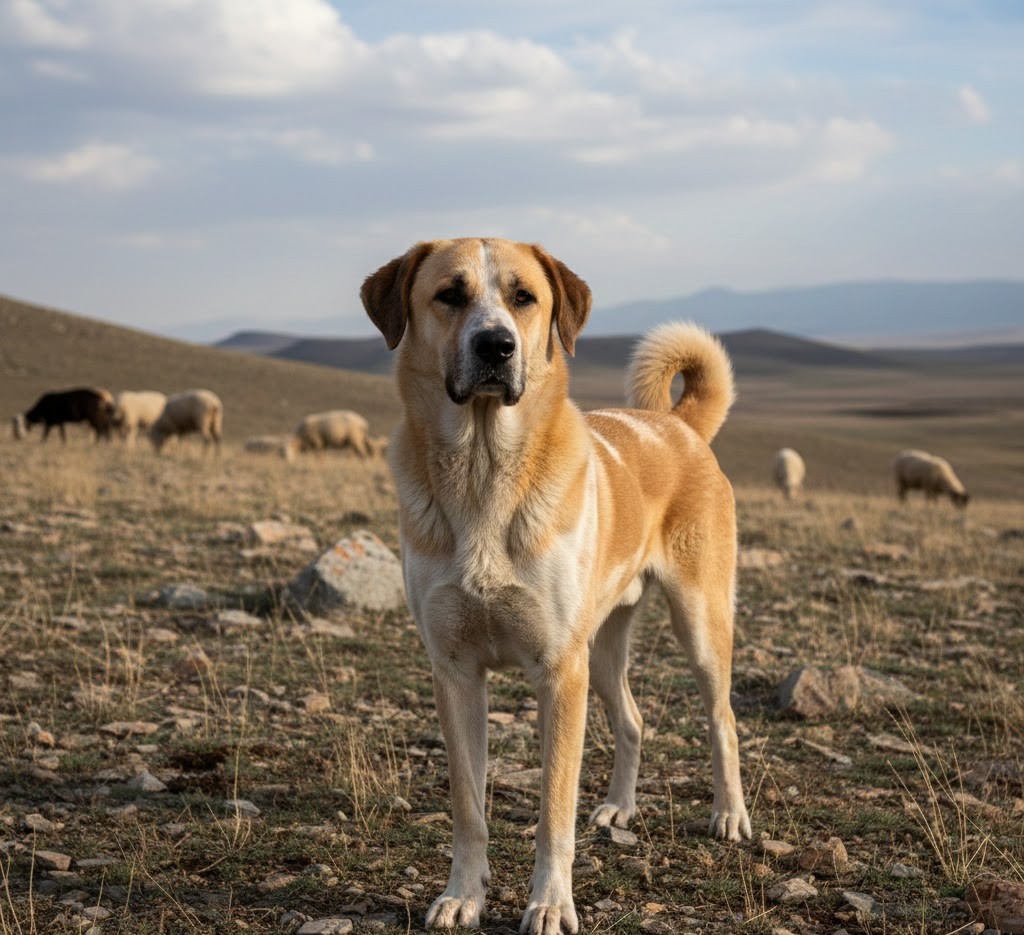
The Turkish Kangal’s Roots and Background
The Turkish Kangal gets its name from the Kangal district in Sivas Province located in the central region of Turkey. Local shepherds bred these dogs for hundreds maybe even thousands, of years to survive tough weather conditions and protect livestock over wide open areas. Unlike other modern breeds created for looks or as pets, the Kangal developed almost through its use and performance.
People in Turkey see the Kangal as a national treasure. To protect the purity of the breed, exporting purebred Kangals has often been restricted in the past. Although Anatolia is home to other similar livestock guardian dogs, the Kangal is unique with its reliable size steady personality, and strong working skills.
Physical Traits
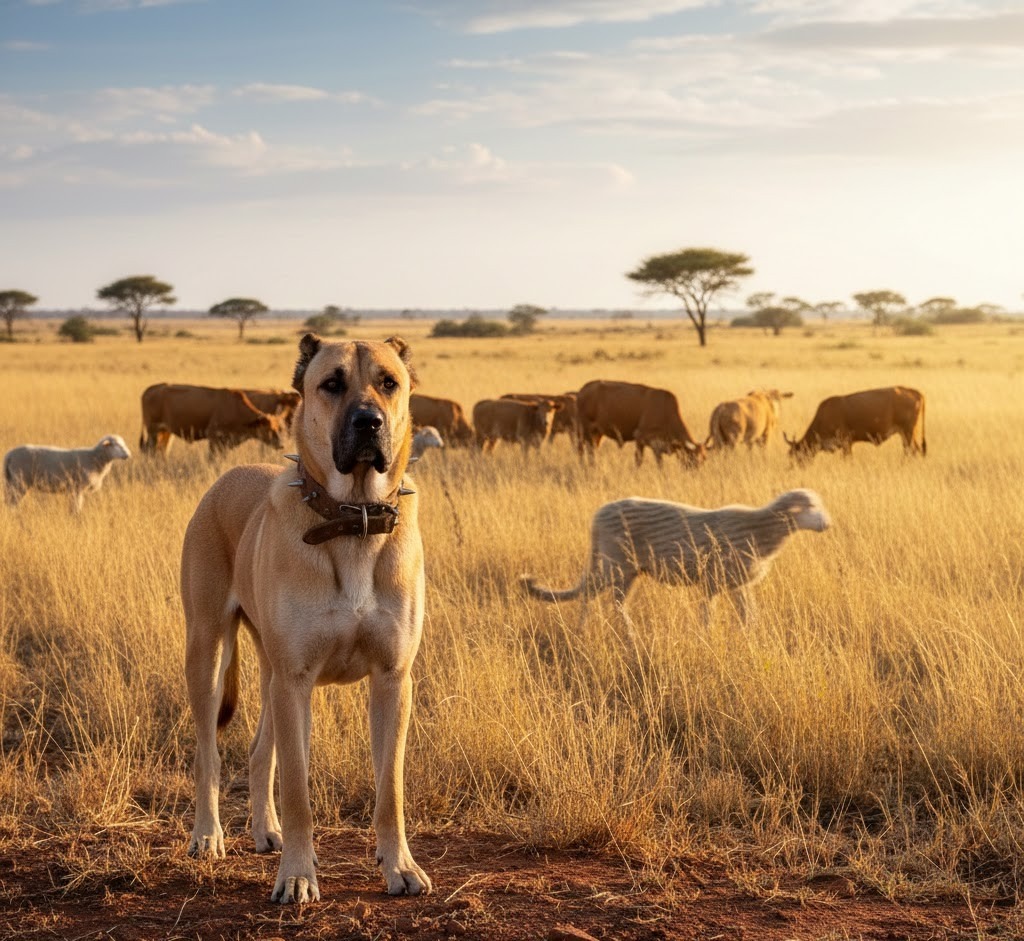
The Turkish Kangal is a big strong dog designed more for stamina than speed. Male Kangals weigh around 110 to 145 pounds, and females are a bit smaller. Even with their large size, they move and can keep going over long stretches.
One thing that sets this breed apart is their short thick coat. It’s often a pale fawn or dun shade and comes with a bold black mask on their muzzle. This coat helps them handle both freezing cold and scorching heat making them a good fit for Turkey’s changing weather.
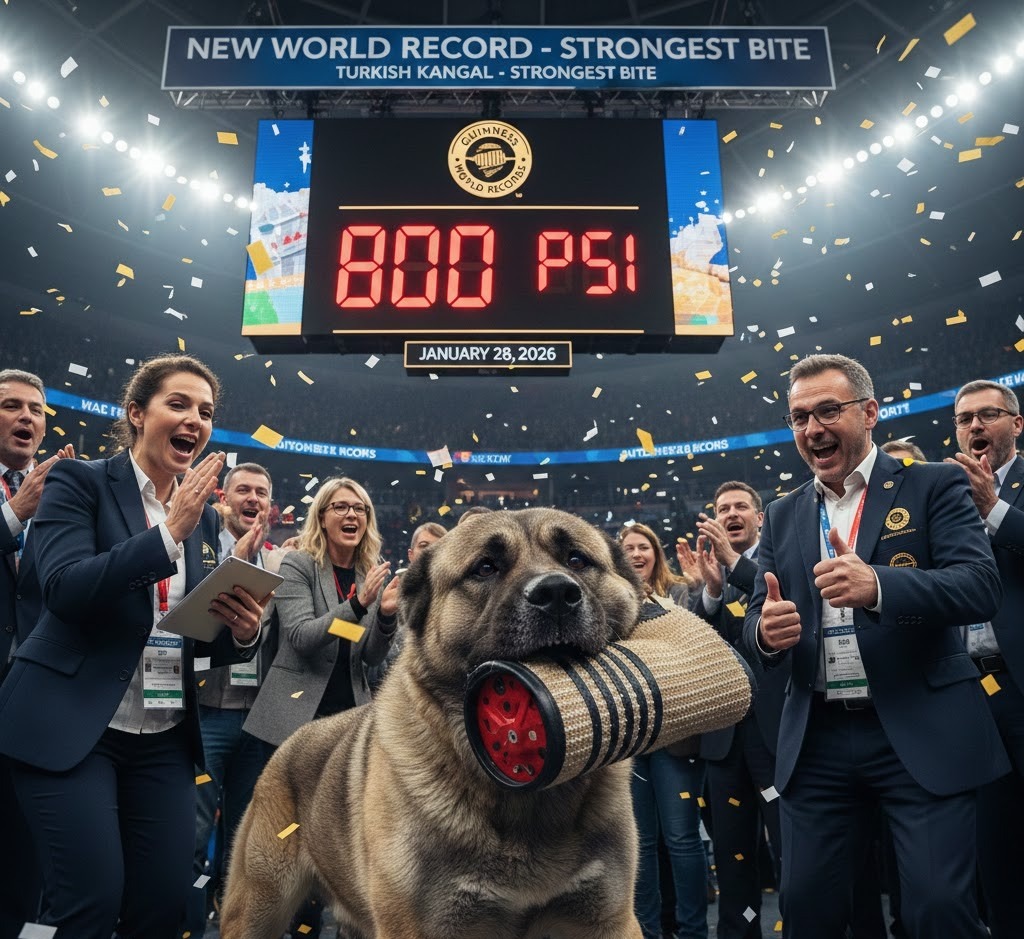
The head looks wide and strong, with tough jaws and a bold look. Kangals have one of the most powerful bite forces seen in dogs, a characteristic tied to their fame but meant more to scare off predators than to show aggression.
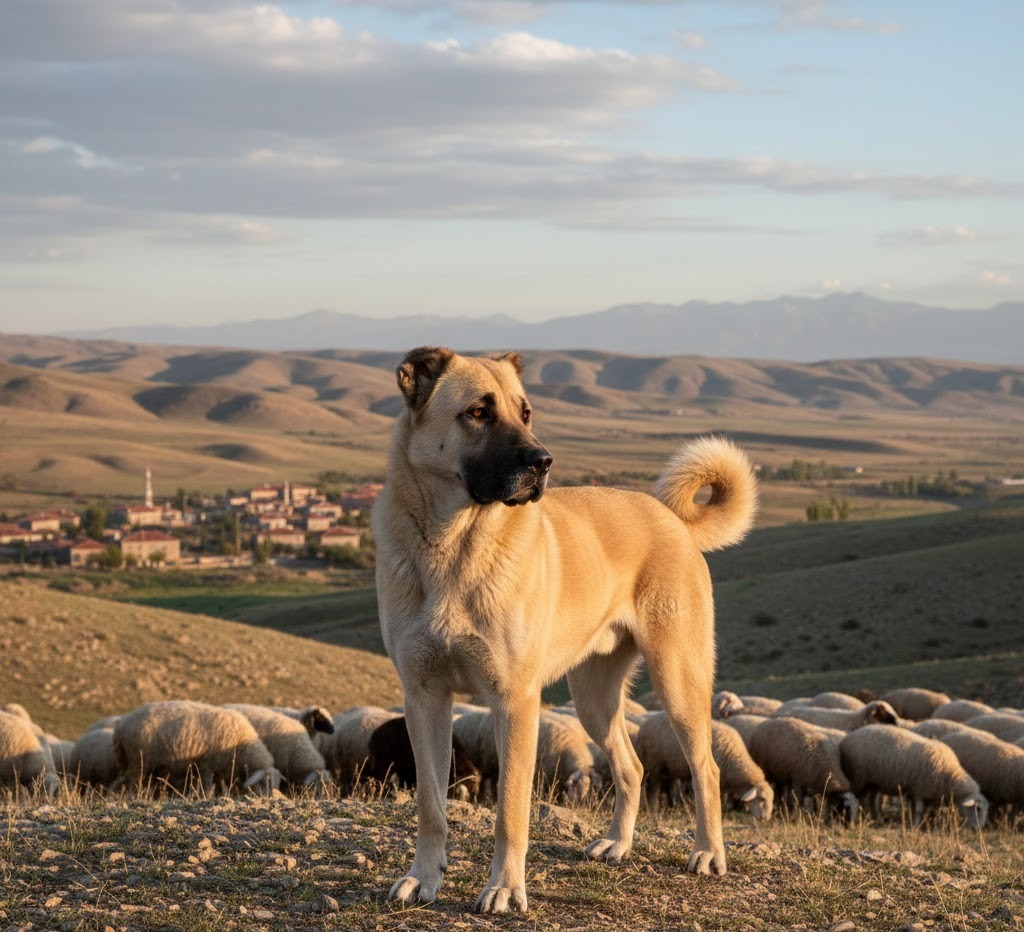
The head is broad and powerful, with strong jaws and a confident expression. Kangals also possess one of the strongest bite forces ever recorded in dogs, a trait that has contributed to their reputation but is primarily intended for predator deterrence, not aggression.
Temperament and Personality
Even though they look fierce Turkish Kangals are recognized for their even-tempered, steady, and composed nature. They protect but do not act without reason. A well-raised and bred Kangal tends to be calm, watchful, and very perceptive.
Kangals stay fiercely loyal to their families and livestock. They form close relationships with the animals and people they protect. These dogs think for themselves. They can act without waiting for human commands, which is crucial when guarding flocks in far-off areas.
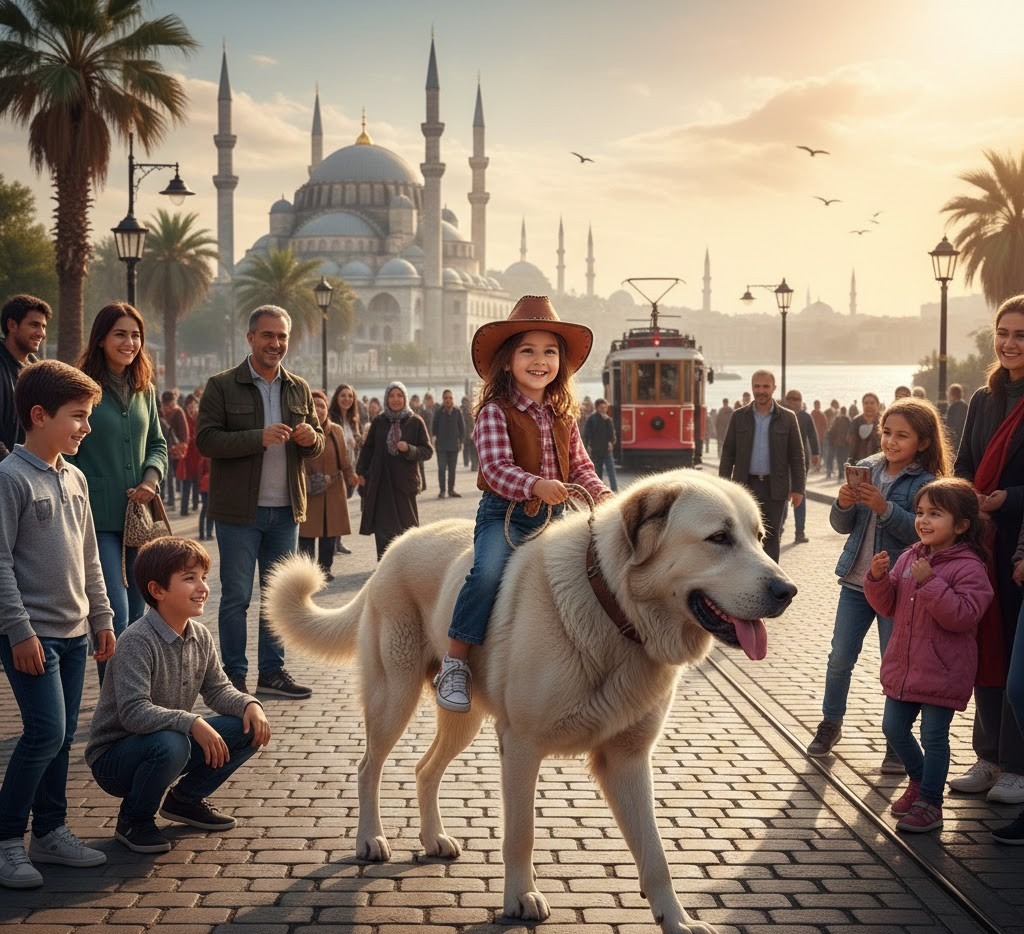
Around their human families, Kangals act kind and caring with kids. They do not show love in big ways but instead prefer small respectful gestures. Their strong instinct to protect may make them cautious toward unfamiliar people. It becomes important to socialize them to help with this.
Abilities in Work and Guarding Livestock
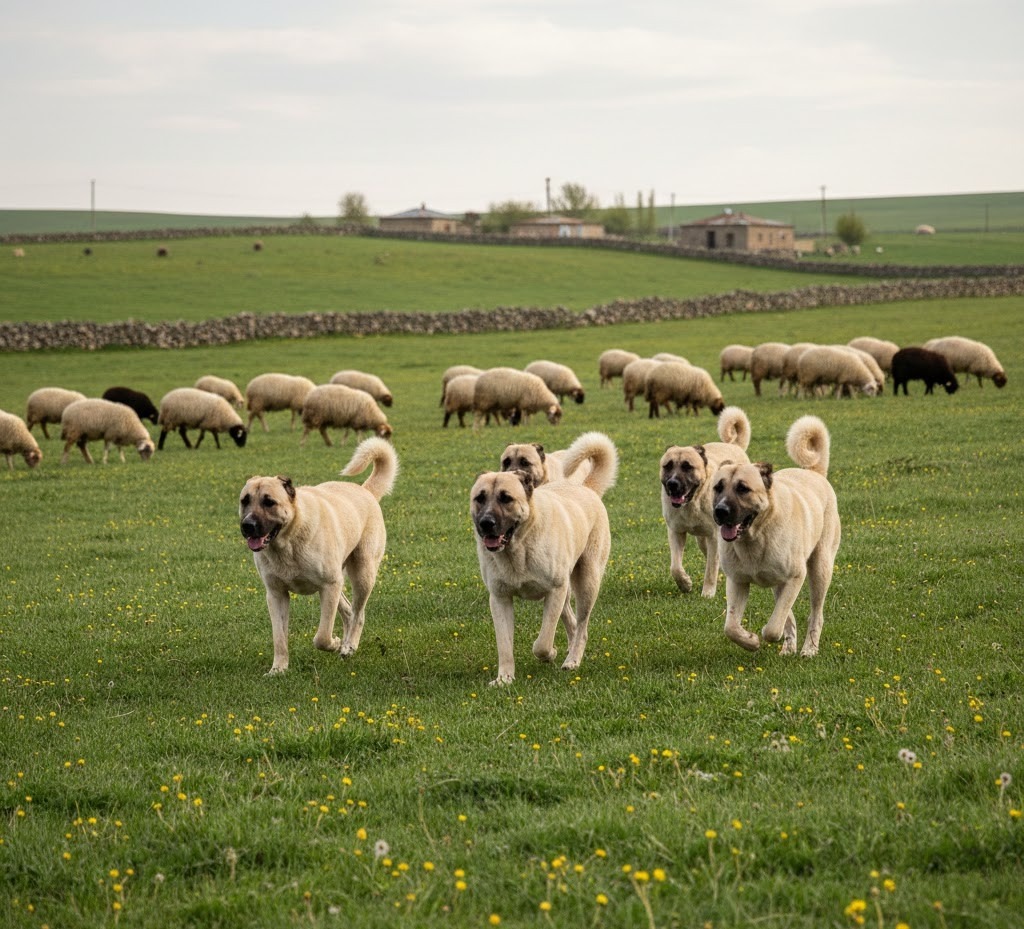
The Turkish Kangal has always been used to guard livestock. Instead of herding animals, these dogs stay with the flock. They create a connection with the animals, which helps them protect the group.
What makes the Kangal unique is how it handles predators. It does not always attack right away. Kangals use their stance loud warnings, and just being there to scare away dangers. Often, their strong bark alone keeps predators away. If they must fight, Kangals have the strength and skill to protect both themselves and the flock.
People use Turkish Kangals across the globe, including in the United States, Africa, Europe, and Australia, to guard livestock from predators like wolves, coyotes, and even large cats. Some areas introduced Kangals as a way to control predators without lethal methods, which helps avoid clashes between wildlife and farmers.
Training and Socialization
To train a Turkish Kangal, you need patience and firm leadership that respects their independent nature. These dogs are smart, but they don’t show the same eagerness to please as some other working breeds. They respond better to calm and steady guidance instead of harsh or repetitive training styles.
Starting socialization is very important. Meeting different people, animals, and experiencing various environments helps the Kangal develop into a well-rounded adult. Without enough socialization, their protective instincts may go overboard.
Due to their large size and strength, Kangals aren’t the best choice for new dog owners. They do better with handlers who know guardian breeds and set clear rules for them to follow.
Exercise Needs and Living Space
The Turkish Kangal doesn’t do well in apartments or city areas. They need room to roam and tasks to focus on, along with activities to keep their minds busy. The best environment for this breed is a large secure property where they can keep an eye on things and patrol their surroundings.
Kangals do not need heavy daily workouts like some other working breeds. They do however, need space to move and roam . Giving them tasks to keep their minds busy, like guarding or following set routines, is as important as keeping them active.
If you leave a Kangal without stimulation or keep them confined, they can get frustrated and develop problem behaviors. This breed does best when they have a job to do.
Health and Lifespan
The Turkish Kangal is a strong and healthy breed. Generations of functional breeding have contributed to this. Their average lifespan is about 12 to 15 years, which is quite long for a large dog.
Some health problems they might face include:
- Issues with hip joints called hip dysplasia
- Problems with elbow joints known as elbow dysplasia
- A condition called bloat or gastric torsion
Responsible breeders prioritize health checks and keeping the breed’s original working skills intact. They avoid focusing on making the dog bigger or emphasizing specific looks.
Living Environment and Exercise Needs
Grooming and Maintenance
The Kangal’s short coat is easy to care for and needs a weekly brush to clear away loose fur. You might need to brush more often during shedding seasons since they lose more hair. Bathing is rare and needed if the dog gets very dirty.
It is important to trim nails, check ears, and care for teeth just like with any other breed.
Is the Turkish Kangal the Right Dog for You?
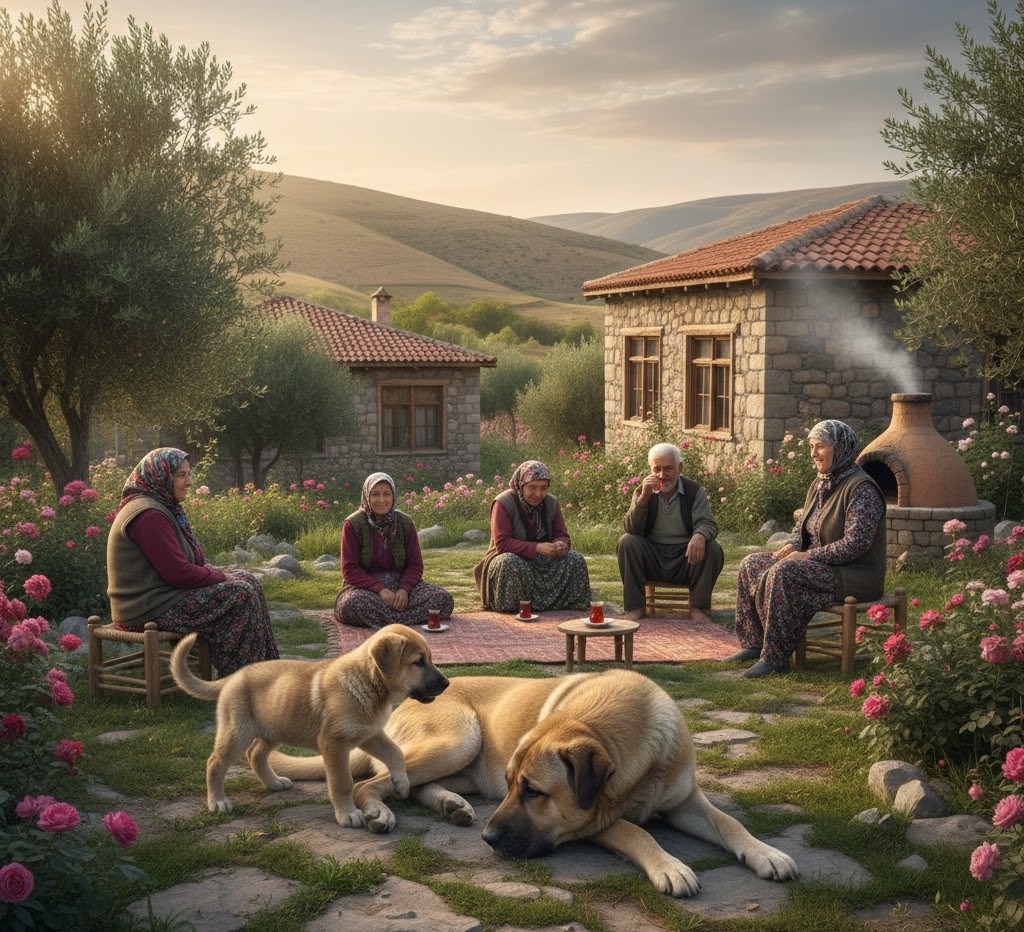
The Turkish Kangal is not a simple house pet. It has strong guarding instincts and requires a lot of responsibility. But if you are the right owner, you will find that a Kangal is loyal intelligent, and devoted.
This dog breed fits best in:
- Farms or rural areas
- Homes with skilled dog handlers
- Roles as guardians of livestock
- Families who prefer a dog’s independence over teaching tricks
To meet this breed’s needs means gaining both protection and a loyal friend for life—the Turkish Kangal offers much more than being just a dog.
FAQ’s
What kind of dog is a Turkish Kangal?
The Turkish Kangal is a large guardian dog that comes from Turkey. People bred it to guard goats and sheep against big predators such as wolves and bears. It is famous for its powerful build, loyalty, and steady confidence.
How powerful is the bite of a Kangal?
The Kangal is well-known for having one of the strongest bite pressures among all dog breeds often measured at over 700 PSI. This strength allowed them to protect livestock from large predators. While powerful, Kangals act when there is a valid reason.
Are Turkish Kangals good family dogs?
For experienced dog owners, Kangals can make good family pets. They show loyalty, protectiveness, and kindness toward their families even with kids. Because of their size, strength, and natural guarding instincts, they need proper training enough space, and early socialization to fit well into family life.
Do Kangals need a lot of exercise?
Sure, Kangals need daily physical activity and mental challenges. They don’t do well in small apartments. They thrive in big yards or country settings because they enjoy having space to roam and stay busy.
Are Turkish Kangals aggressive?
Kangals aren’t aggressive by nature, but they are protective. They stay calm and quiet acting when they sense a genuine danger. It’s important to socialize and train them on to help them behave in a balanced way.
Main Points
- The Turkish Kangal comes from Turkey and stands out as a strong and dependable guardian dog. It is recognized for loyalty, intelligence, and power.
- This dog protects herds by staying calm and planning its moves instead of acting toward threats.
- Keeping Turkish Kangals is best suited for owners with experience. They fit well on farms or big open areas where they can stay active and engaged.
- Their short coat is easy to care for, but they still need regular activity and interaction to manage their protective nature.
- These dogs are healthy and live around 12 to 15 years. They make loyal friends and excellent protectors.